Engineers prioritize information sources based on a hierarchy of verify-ability and perceived intent. Source code and raw reference documentation sit at the top of what I call the Trust Hierarchy, followed by practitioner writing from Staff and Principal engineers solving specific problems, with marketing-led content at the bottom.
Technical audiences run a finely tuned nonsense detector that filters for edge cases, performance trade-offs, and failure modes, the details usually stripped out of a marketing-approved draft. Winning developer trust means content has to shift from driving awareness to reducing implementation friction.
Short answer: Developer trust is a structural architectural decision rather than a brand vibe. Technical readers go straight to the primary source, the code or the spec, to route around the perceived bias of promotional material.
Content earns trust when it helps a developer solve a specific implementation problem with precision, naming the trade-offs and failure modes that marketing teams tend to hide. A program tuned to vanity metrics like impressions, instead of developer success measured as friction reduction, fails because it misaligns with how engineers verify truth.
The nonsense detector: why engineers filter marketing
Being wrong is expensive in the environment software engineers work in. Misreading a single API parameter, say assuming a timeout is in seconds when the library counts milliseconds, can take a service down at 2am.
A hidden performance bottleneck can mean weeks of refactoring after the feature ships. Out of that pressure, developers have evolved a sophisticated nonsense detector that filters for high-signal technical depth and rejects low-signal marketing fluff on contact.
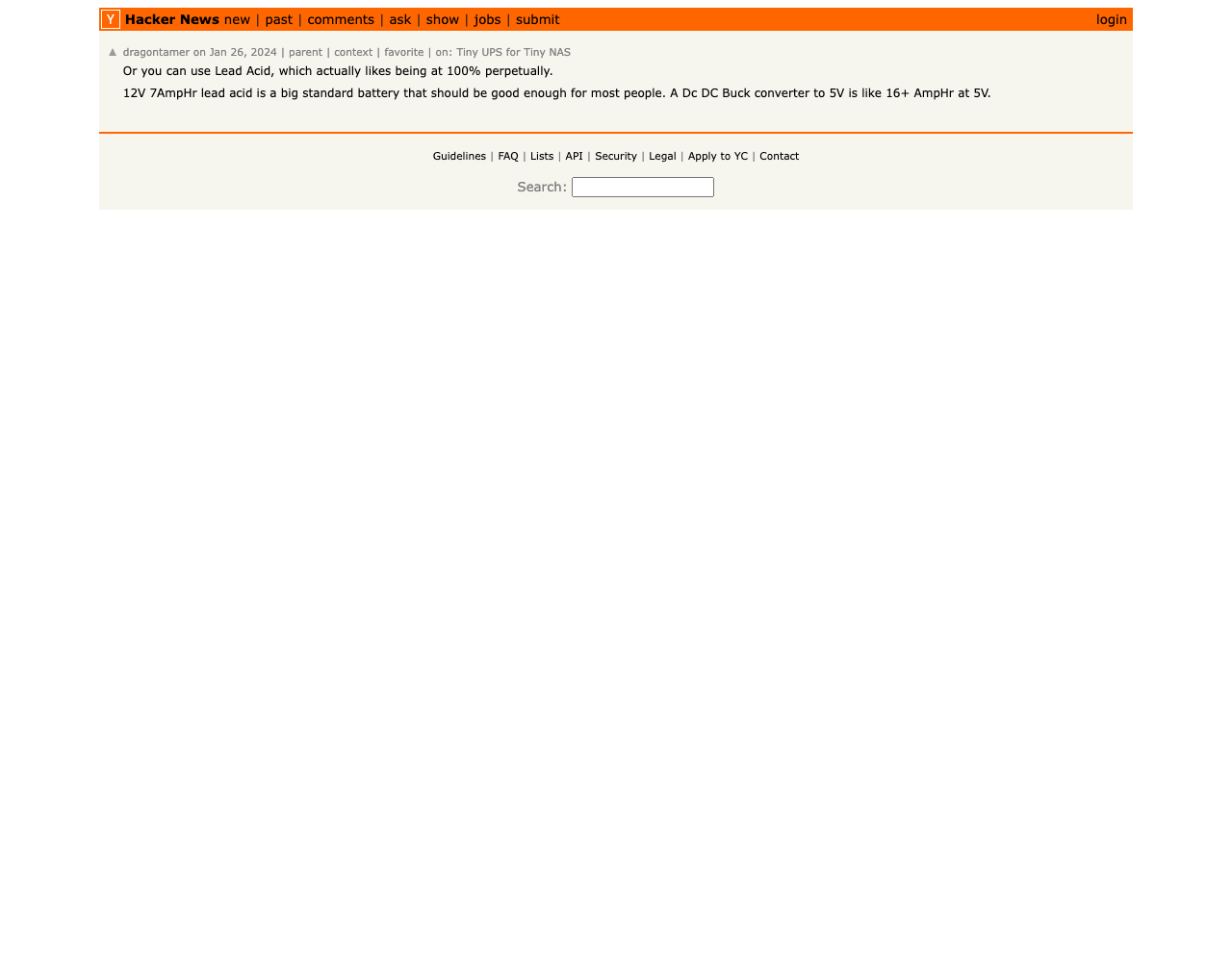
Hertzum (2002) established in The importance of trust in software engineers' assessment and choice of information sources that for technical practitioners, Trust > Effort.
The Principle of Least Effort predicts that people reach for the most accessible information source. Engineers break that pattern and reach for the source they can verify most reliably, even when it costs more effort.
I have watched a developer skip a tidy three-paragraph blog post explaining a config option and instead open the library on GitHub to read the parser that consumes it, because the parser cannot misremember its own defaults.
Tier 1: the binary (source code and compiler)
Source code is the only source that cannot lie, which is why developers treat it as the ultimate primary source. Head et al.
(2018) identified in When Not to Comment a philosophical distrust that many developers carry toward documentation.
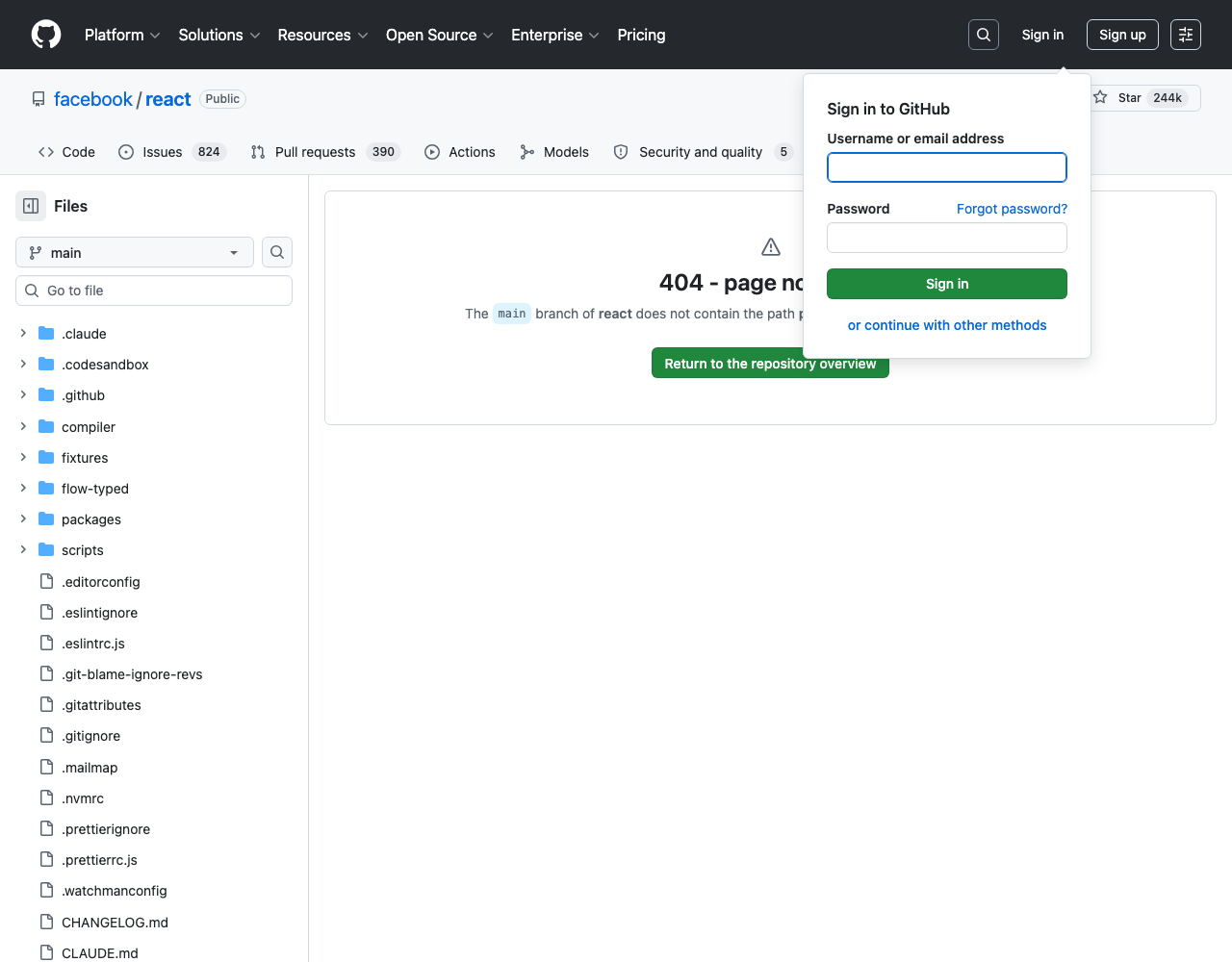
They assume the docs are stale, since they know the code is current by definition. The function reading a request header right now is the function answering the question, where a tutorial written eight months ago against version 2 has no idea version 4 renamed the field.
Tier 2: reference documentation (api specs and schemas)
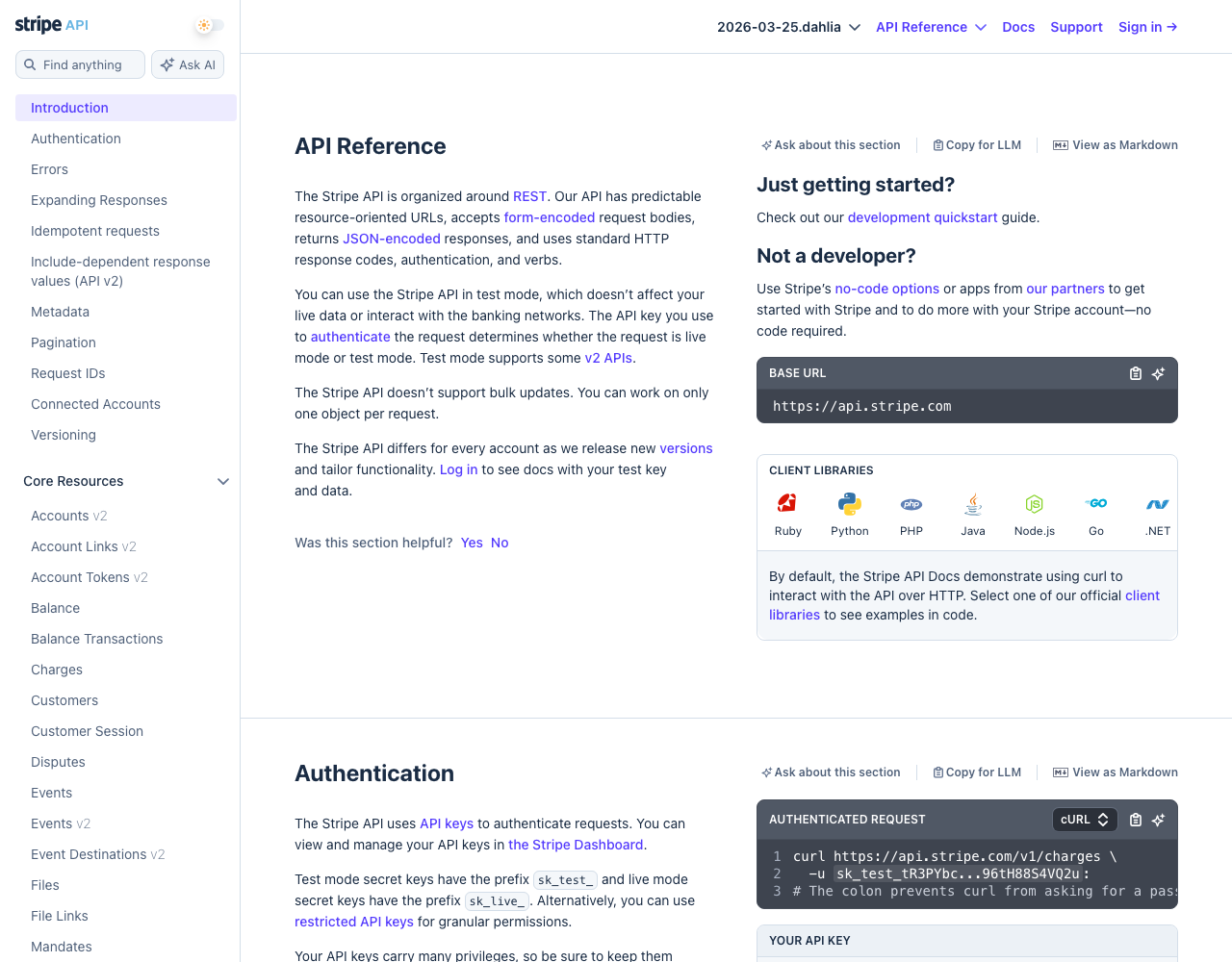
Tier 2 represents the formal contract of the system. API references, JSON schemas, and Protobuf definitions earn high trust because they are often generated directly from the source code, so they inherit its honesty.
A generated OpenAPI spec that lists every field, its type, and whether it is required cannot quietly drift from the endpoint the way a hand-written page can. When a developer sees the schema was emitted by a build step rather than typed by a human, they treat it almost as well as Tier 1, because nobody had a chance to round off the inconvenient parts.
Tier 3: practitioner post-mortems and staff blogs
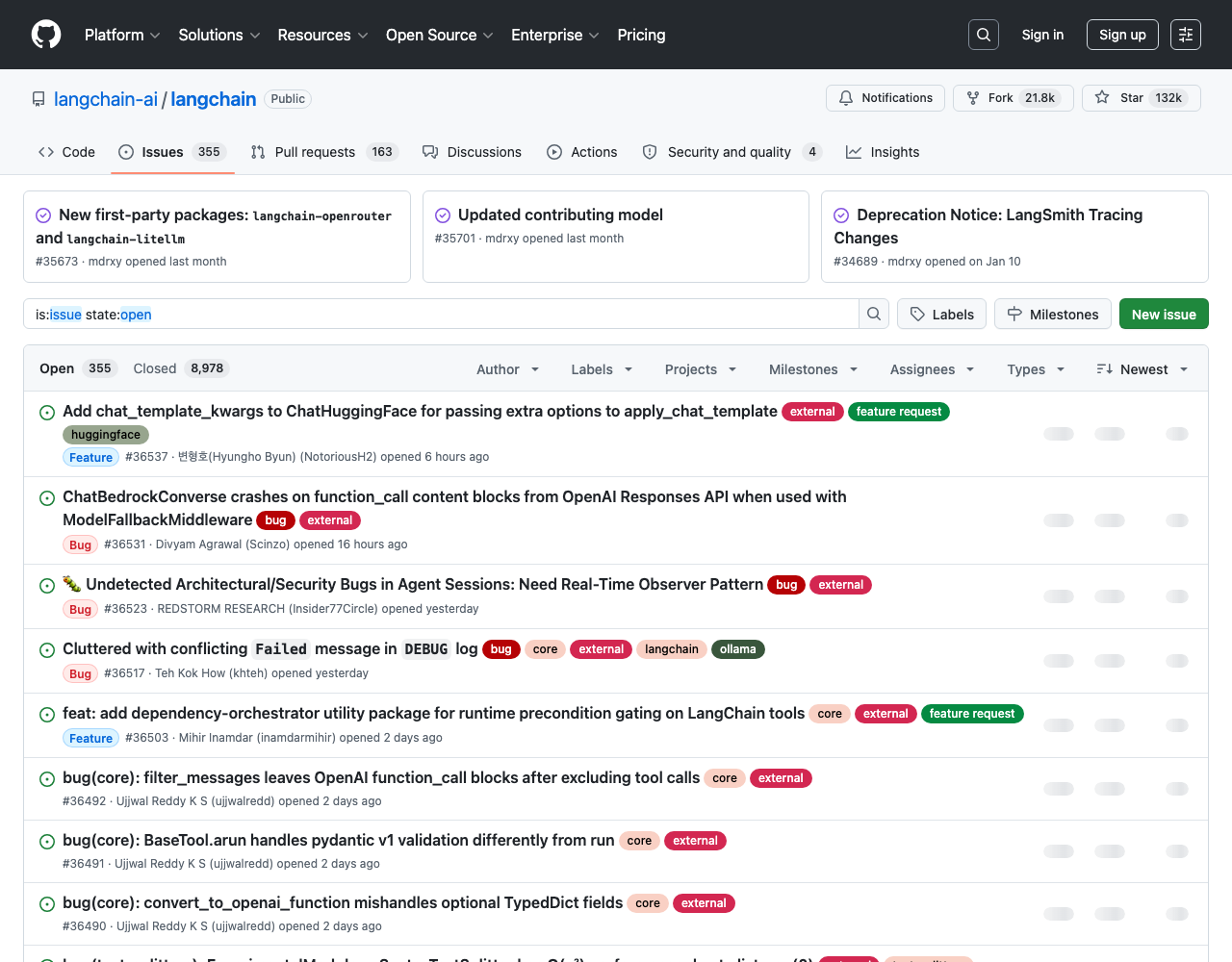
Tier 3 is where the most valuable "Content" lives. Practitioner writing means Staff or Principal engineers documenting how they solved a messy, specific problem, the same dynamic that turned Stripe's technical blog into a competitive moat.
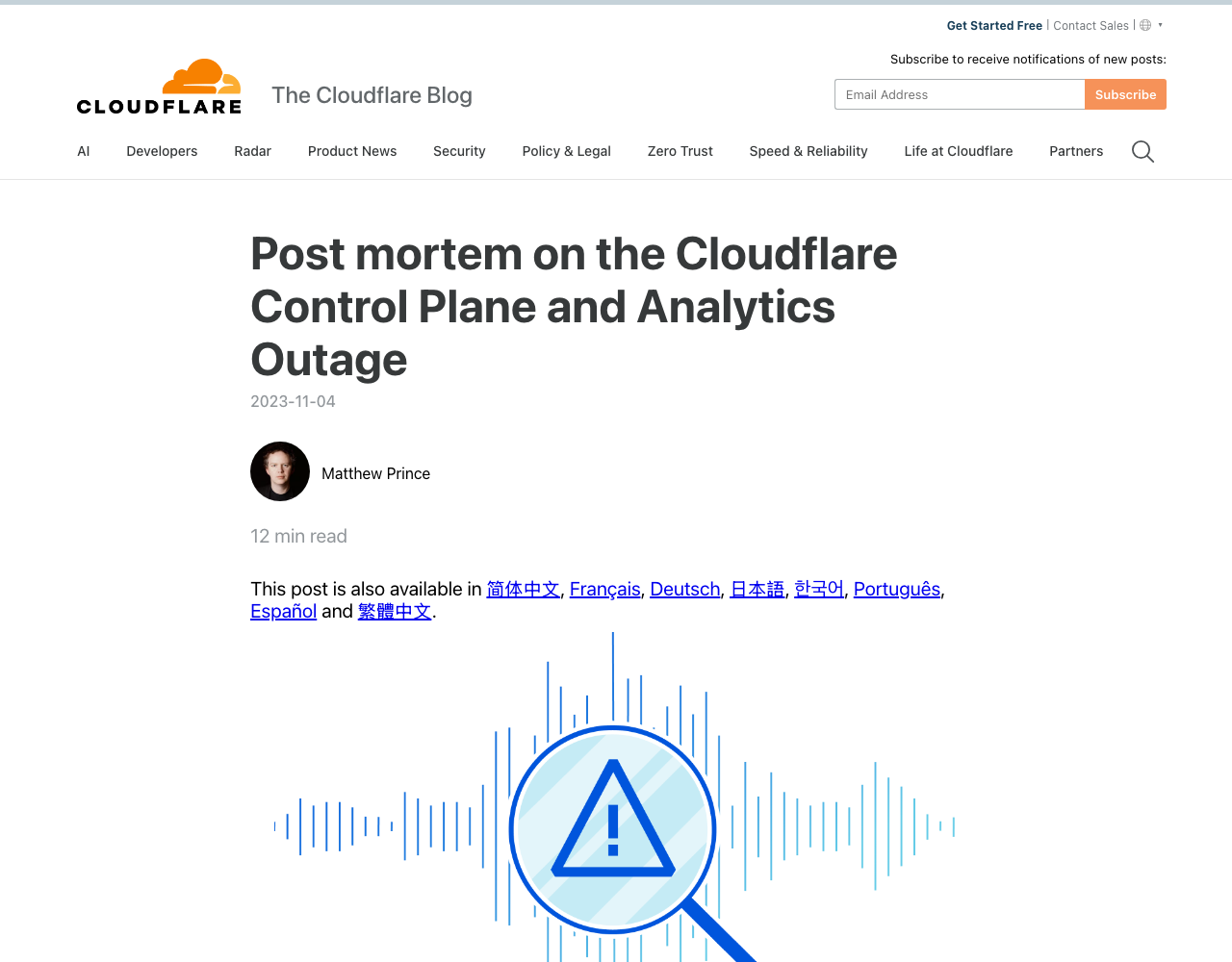
What makes these pieces high-trust is that they almost always include failure. A post-mortem that walks through why a queue backed up, which dashboard the on-call engineer was staring at, and the one-line config change that finally drained it reads like a confession, and confessions are hard to fake.
Admitting the retry storm was self-inflicted costs the author something, and that cost is exactly what a skeptical reader uses to gauge whether the rest is true.
Tier 4: action-oriented tutorials and working builds
Tier 4 earns trust through the working-build mechanism. Following a tutorial all the way to a deployed application running on your own machine settles the question in a way no prose can.
When the curl command returns a real 200 and the dashboard shows your test event arriving, the reader has personally verified the product end to end, and that single completed loop buys more credibility than a page of adjectives about how easy onboarding is. Failure here cuts the other way, though.
A quickstart that errors on step three because it never mentions the env var you were supposed to set burns trust faster than no tutorial at all.
Tier 5: marketing strategy and brand awareness
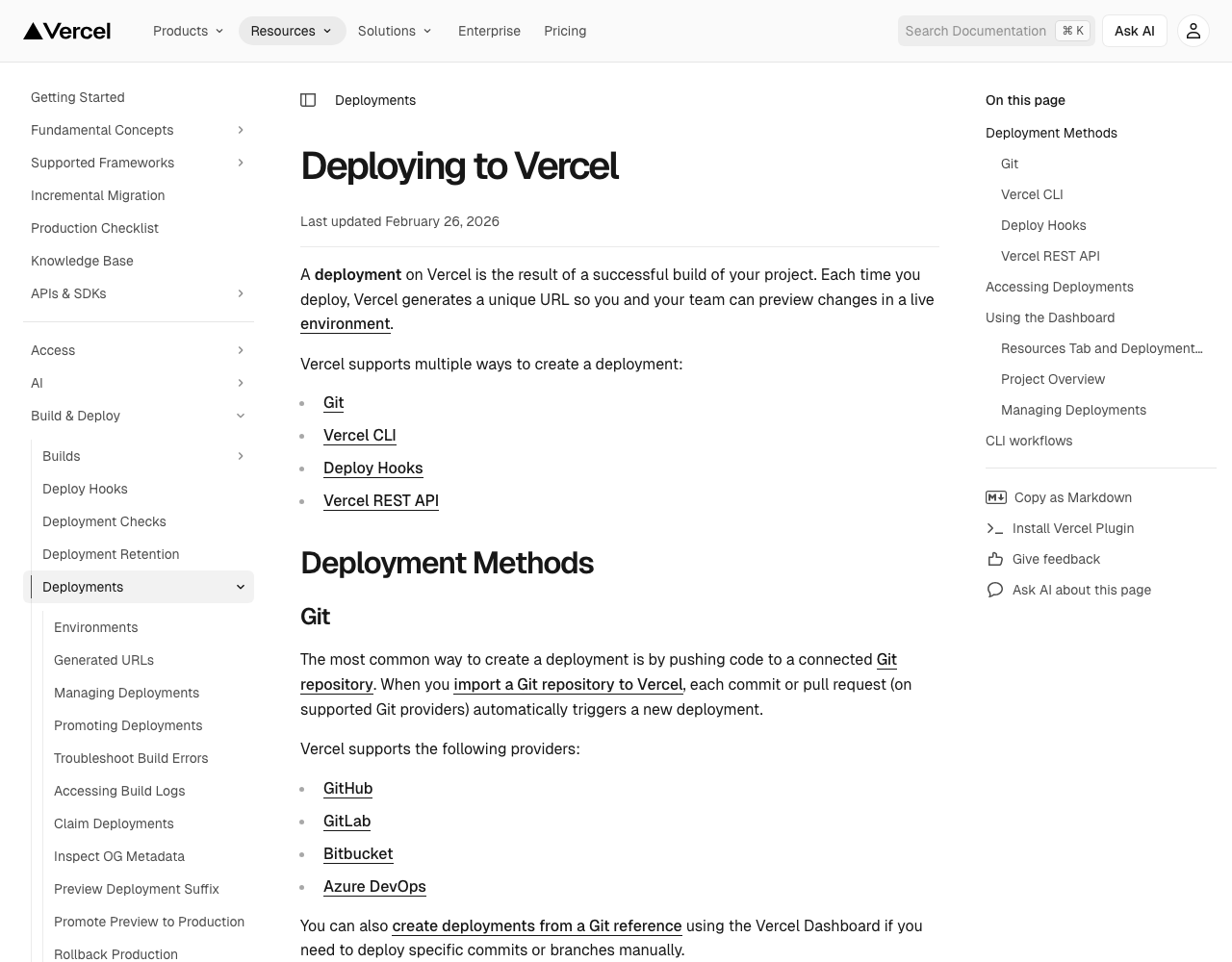
Sitting at the lowest trust tier, Tier 5 covers thought-leadership pieces, high-level whitepapers, and promotional blog posts. A typical specimen claims a platform "accelerates innovation" and "empowers teams" without once showing a request, a response, or a number a reader could check.
The engineer scans for a single verifiable detail, finds none, and closes the tab. None of this means Tier 5 is worthless, only that it cannot carry weight it was never built to hold.
The ROI of technical writing
Measure content by clicks and you will get clickbait, because teams optimize whatever number lands on the dashboard. Building a trust-based content moat means measuring the actual reduction in friction instead, things like how many support tickets a single well-written guide quietly prevents, or how much faster a new user gets their first successful API call after you rewrite the quickstart.
Treating documentation as a sidecar artifact, something written once after launch and never touched again, usually produces a library of stale truths. The page still says the default region is us-east-1 long after the team changed it, and every developer who trusts that line loses a little faith in the whole site.
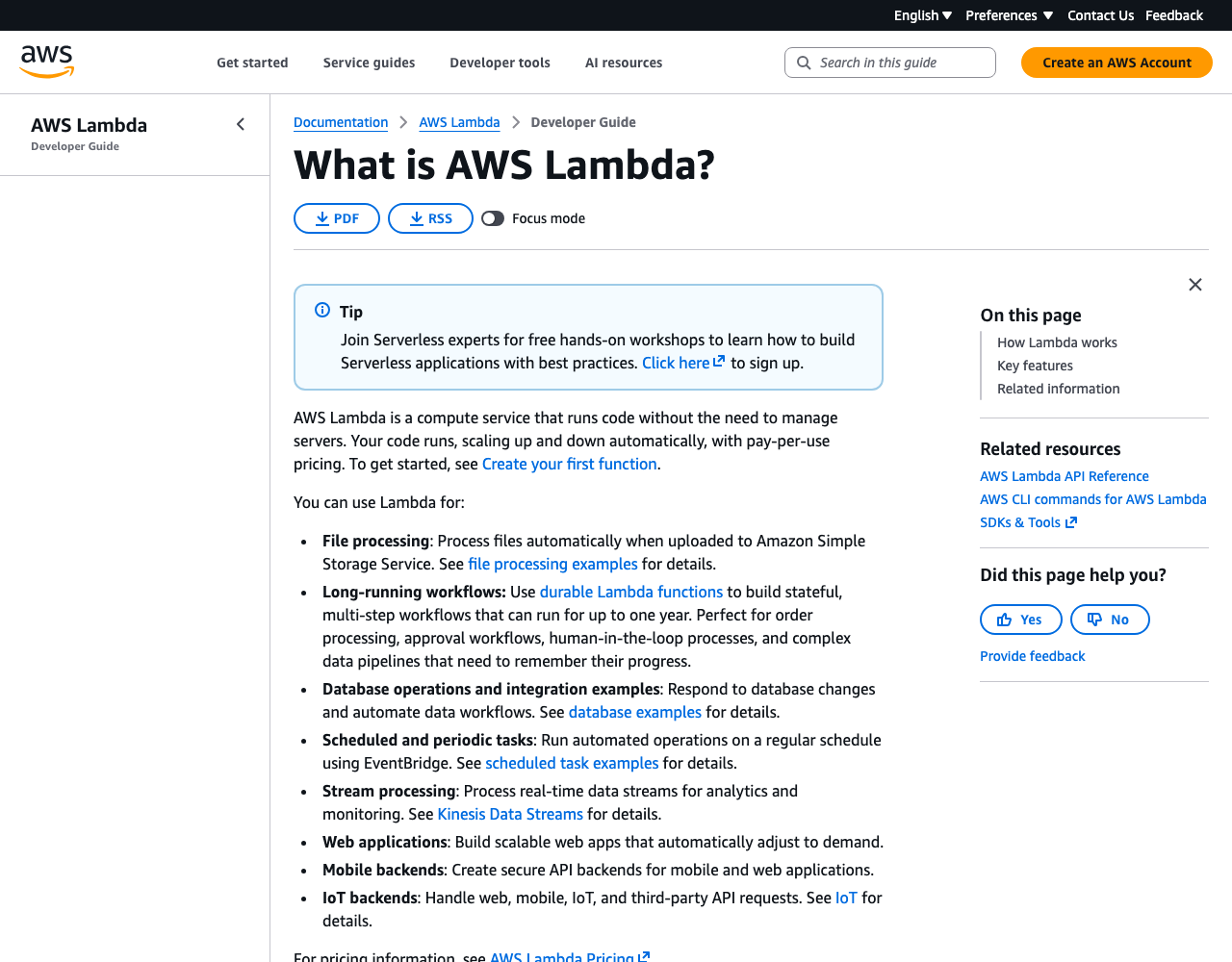
Drowning readers in ambient detail is its own failure mode. AWS documentation is the canonical example of Tier 2 density, exhaustive reference for every parameter of every service, that overwhelms a newcomer with no Tier 3 or Tier 4 guidance to say which five of the four hundred options actually matter for a basic deploy.
Completeness without a path through it leaves the reader more lost than a thinner set of docs would.
Engineering documentation as infrastructure
Information architecture is the primary competitive moat for developer-first companies in 2026, and Stripe's technical blog shows how that advantage compounds over time. Technical practitioners reward teams that fold writing into the product roadmap.
Teams that neglect it eventually discover how devtools startups lose deals over bad docs.
Once implementation friction drops low enough, a technical blog stops being marketing and becomes infrastructure. Deep practitioner writing settles into the trusted toolkit the way a man page or a Stack Overflow answer does, bookmarked, linked in onboarding docs, pasted into team chat when someone hits the same wall.
Content that hands the reader immediate utility stays relevant because people keep coming back to use it, not to admire it.
FAQ
Why do engineers distrust marketing content so much? Engineers prioritize "verify-ability" and "intent alignment." Marketing content often prioritizes "promotion," which leads to the omission of trade-offs, edge cases, and failure modes.
These omissions trigger a developer's "nonsense detector," signaling that the source is unreliable for making production-level decisions.
Can a non-technical writer ever produce high-trust content? It is extremely difficult. High-trust content at Tier 3 and Tier 4 requires the ability to read source code, test APIs, and reason about architectural trade-offs.
A non-technical writer can produce Tier 5 awareness content and will still struggle to earn the trust of senior technical buyers, absent deep practitioner-level research and verification. The fastest path I have seen is pairing the writer with an engineer who runs the code so the prose rests on something real.
How do I measure the ROI of "practitioner writing"? Move away from vanity metrics like pageviews. Measure developer-success indicators: the drop in support tickets for a specific feature after you publish its guide, time to first success for a new integration, and the retention rates of users who read deep technical content compared with users who only saw promotional material.
Should I stop doing "brand awareness" marketing entirely? No. Tier 5 content is necessary for top-of-funnel awareness, and it has to rest on a strong foundation of Tier 1 through Tier 4 assets.
Brand awareness gets a developer to your site. Tier 3 practitioner writing and Tier 2 reference docs are what keep them there and close the deal.
What is the "stolen valor" of technical titles? This refers to the practice of giving non-technical or marketing-focused roles titles like "Developer Advocate" or "Solutions Architect" to gain perceived credibility. Engineers detect this quickly when the technical depth of the content doesn't match the seniority of the title, which often results in a permanent loss of trust for the brand.