Engineers prioritize information sources based on a hierarchy of verify-ability and perceived intent. This "Trust Hierarchy" places source code and raw reference documentation at the top, followed by practitioner writing (Staff/Principal engineers solving specific problems), and marketing-led content at the bottom. Technical audiences possess a high "nonsense detector" that filters for edge cases, performance trade-offs, and failure modes — details often stripped from marketing-approved drafts. To win developer trust, content must shift from driving awareness to reducing implementation friction.
Short answer: Developer trust is a structural architectural decision, not a brand "vibe." Technical readers seek the "Primary Source" (the code or spec) to bypass the perceived bias of promotional material. Trust is earned when content helps a developer solve a specific implementation problem with high precision, naming trade-offs and failure modes that marketing teams usually hide. Programs that optimize for vanity metrics (impressions) instead of developer success (friction reduction) inevitably fail because they misalign with how engineers verify truth.
The nonsense detector: why engineers filter marketing
Software engineers operate in an environment where the cost of being wrong is high. A single misunderstood API parameter or a hidden performance bottleneck can result in production downtime, data loss, or weeks of wasted refactoring. Consequently, developers have evolved a sophisticated "nonsense detector" that automatically filters for high-signal technical depth and rejects low-signal marketing fluff.
Hertzum (2002) established in The importance of trust in software engineers' assessment and choice of information sources that for technical practitioners, Trust > Effort.
While the general "Principle of Least Effort" suggests that people will choose the most accessible information source, engineers specifically choose the source they can verify most reliably.
Tier 1: the binary (source code and compiler)
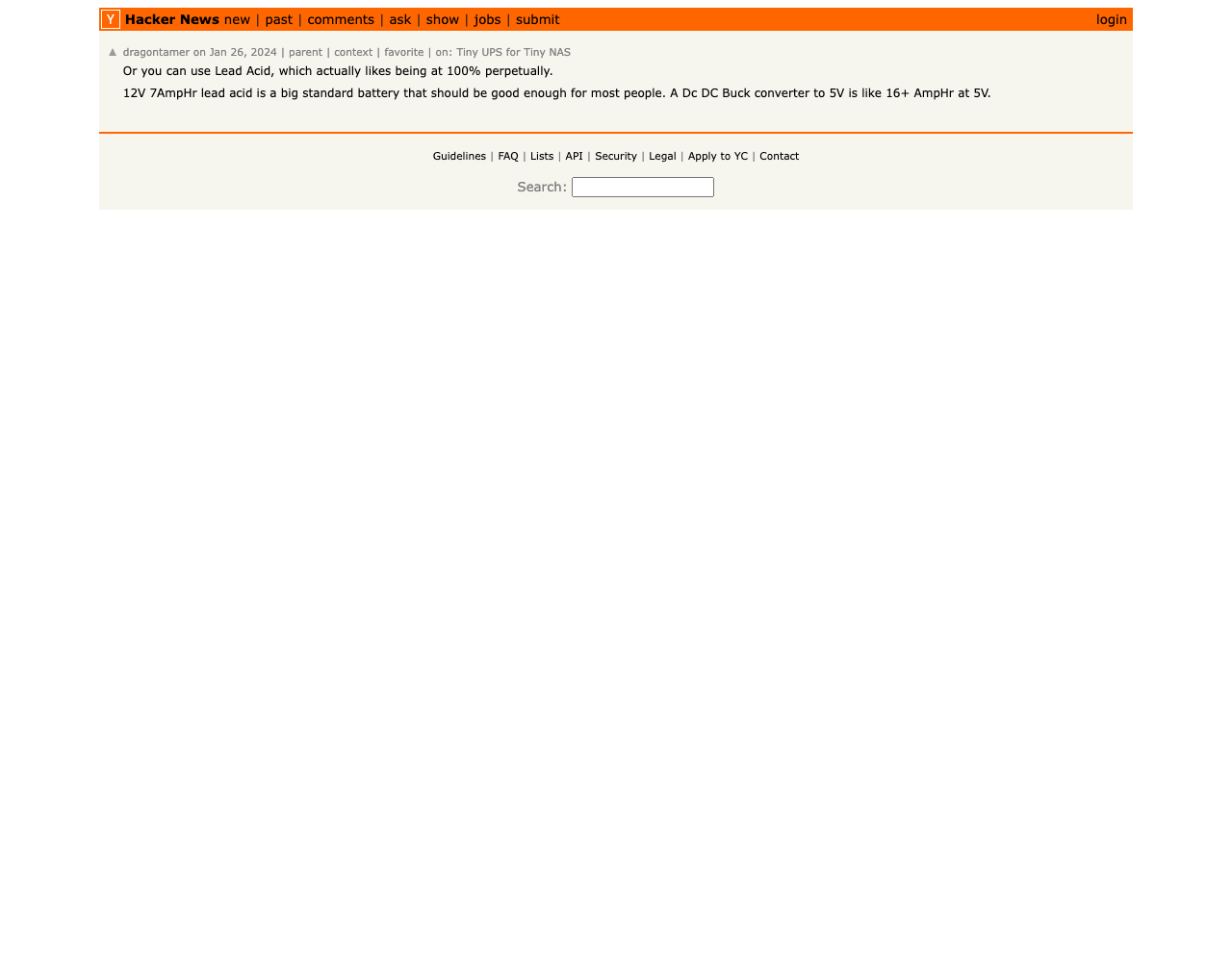
Tier 1 is the only source that cannot lie. Developers treat source code as the ultimate "Primary Source." Head et al. (2018) identified in When Not to Comment a "philosophical distrust" that many developers have for documentation.
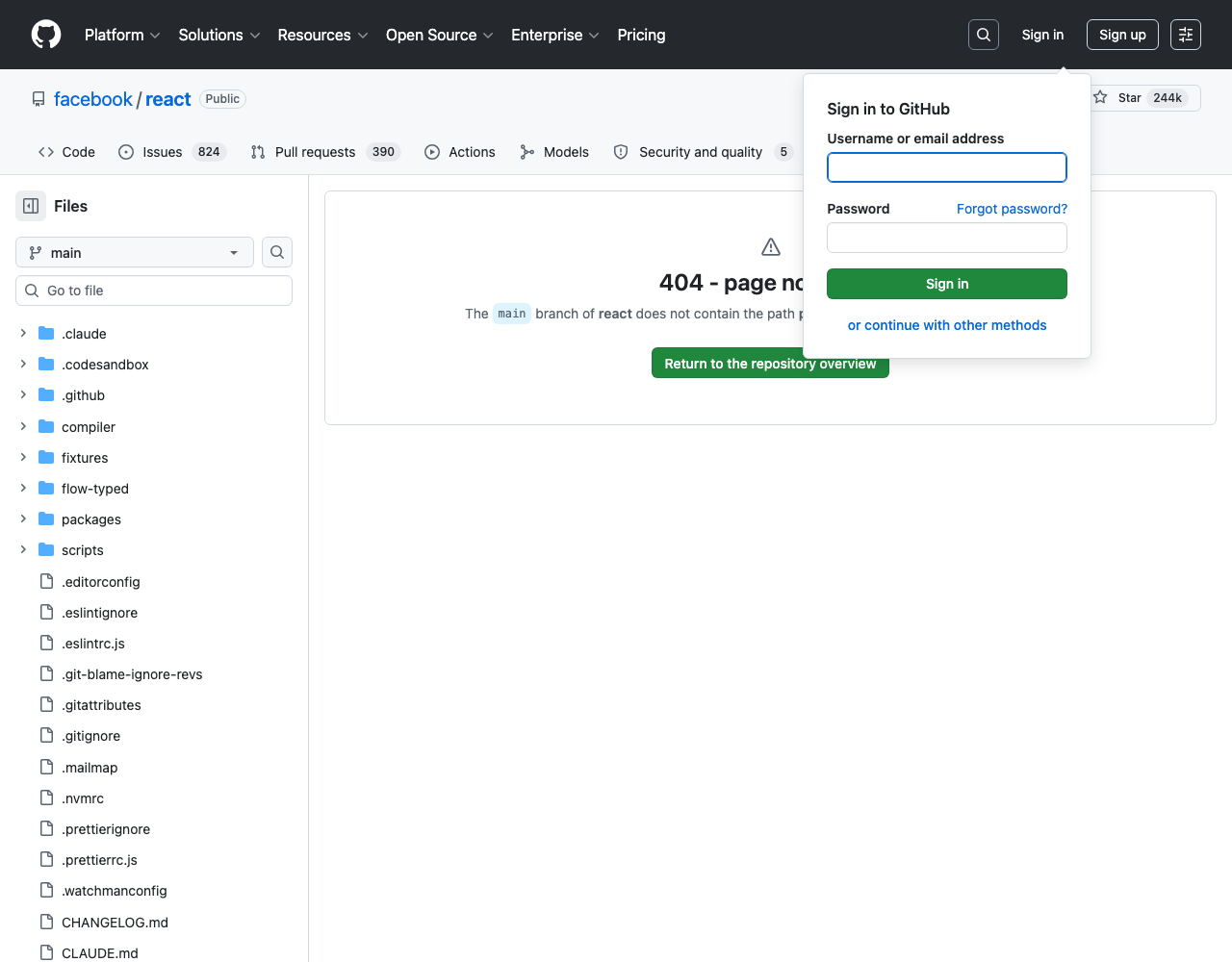
They assume the docs are stale, but they know the code is current because it is what is actually running.
Tier 2: reference documentation (api specs and schemas)
Tier 2 represents the formal contract of the system. API references, JSON schemas, and Protobuf definitions are high-trust because they are often generated directly from the source code.
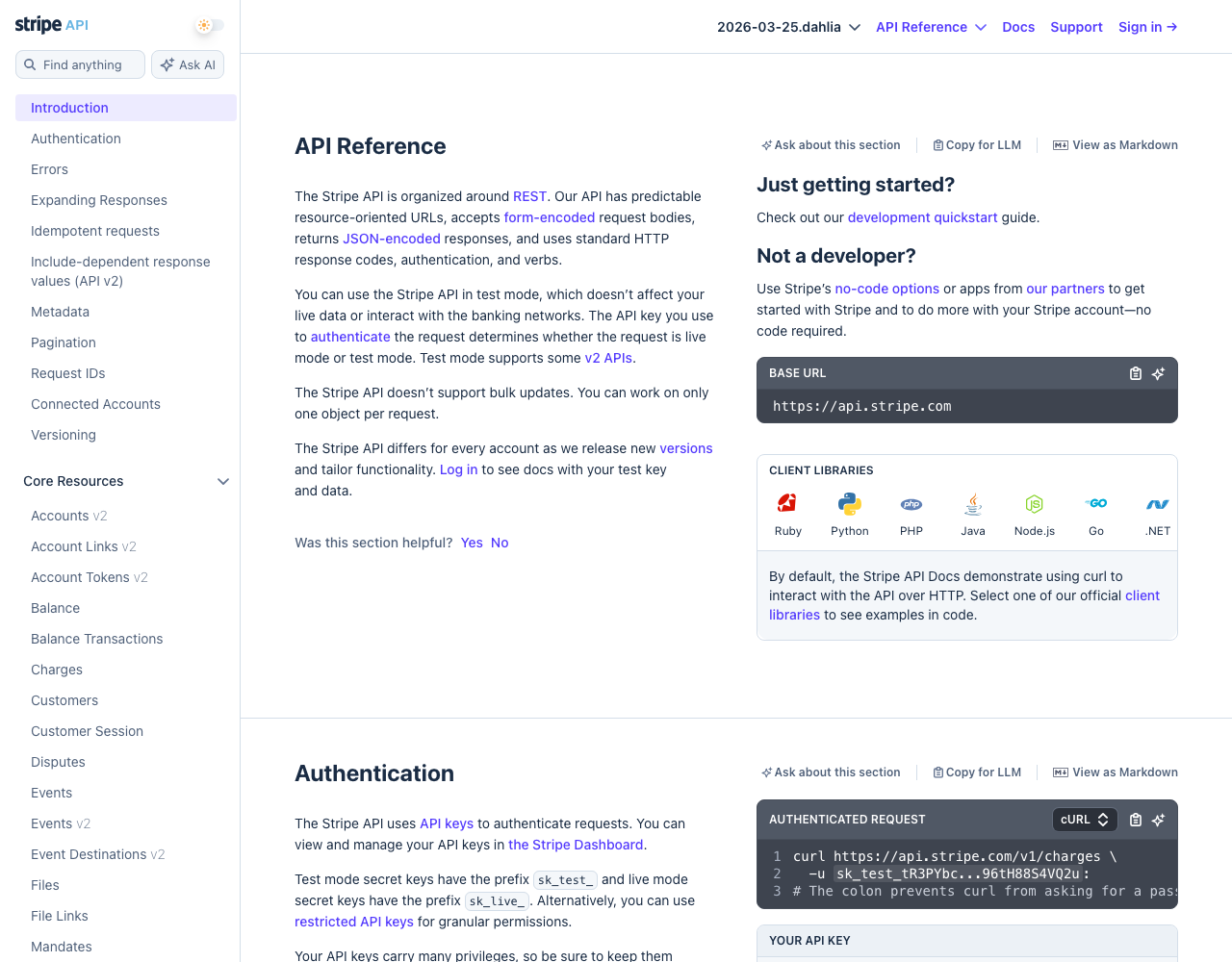
Tier 3: practitioner post-mortems and staff blogs
Tier 3 is where the most valuable "Content" lives. This is practitioner writing: Staff or Principal engineers documenting how they solved a messy, specific problem.
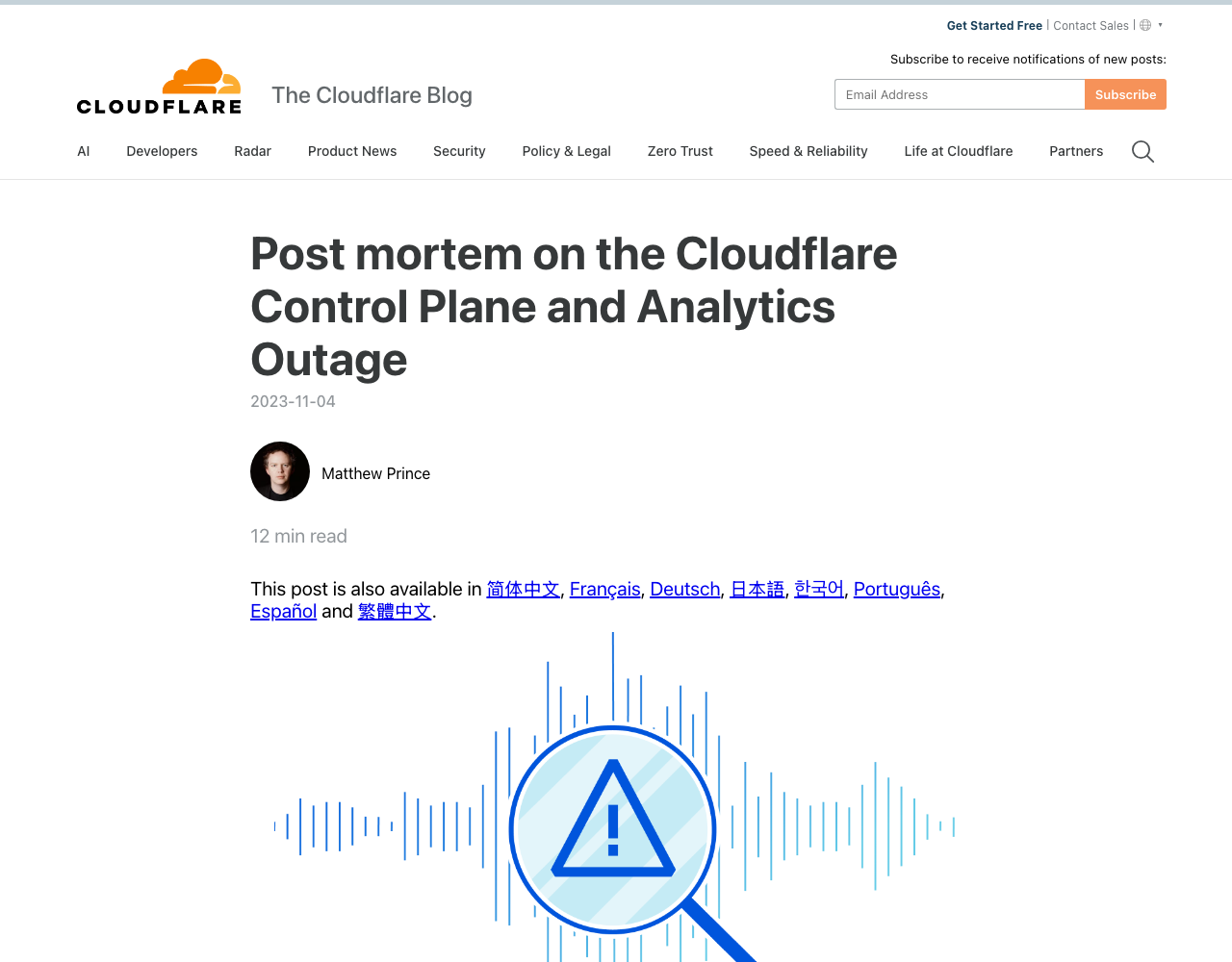
These pieces are high-trust because they almost always include failure. A post-mortem that explains why a system crashed and how it was fixed is a massive trust signal.
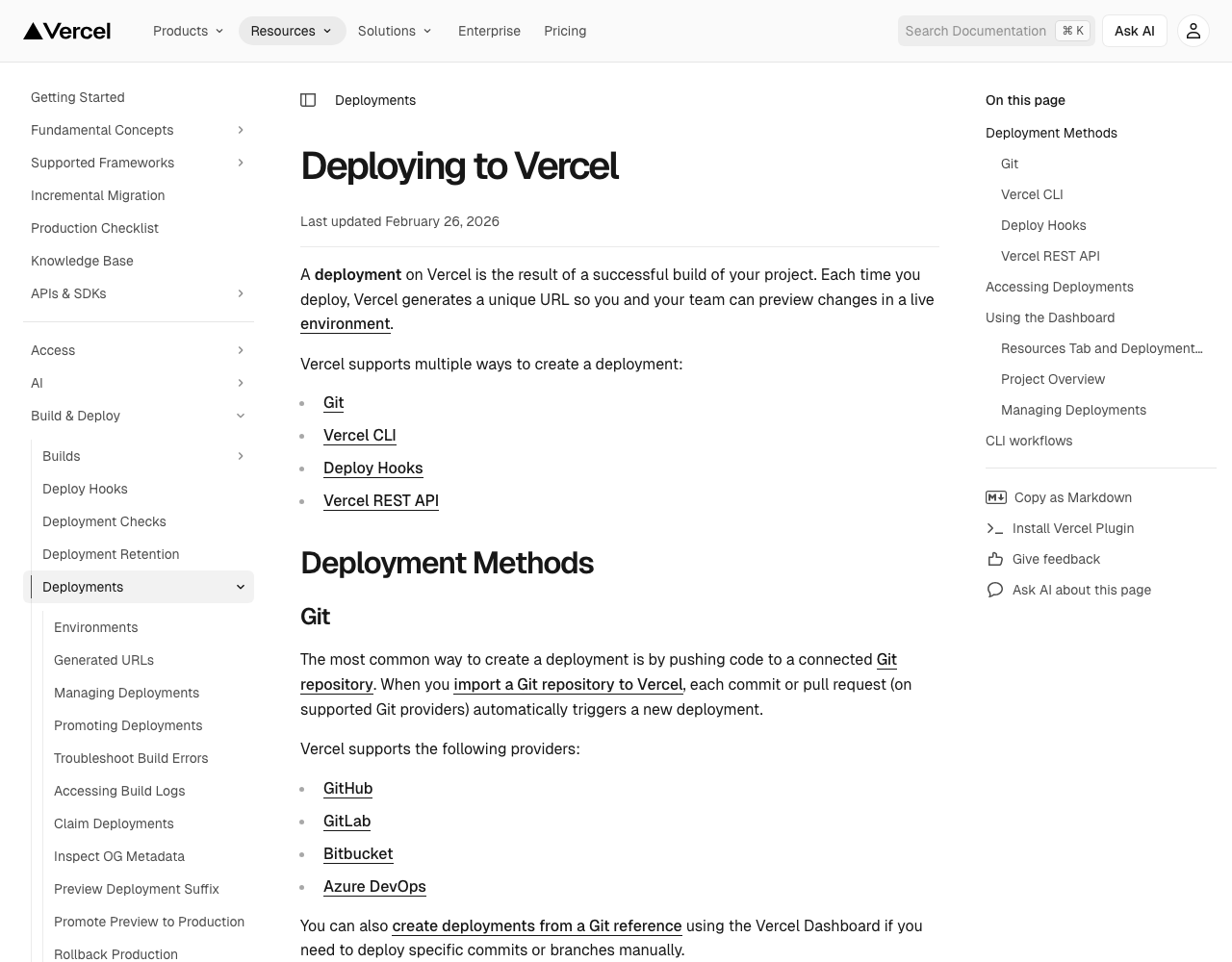
Tier 4: action-oriented tutorials and working builds
Tier 4 earns trust through the "Working Build" mechanism. A tutorial that results in a working, deployed application on the developer's machine creates a surge of trust in the product.
Tier 5: marketing strategy and brand awareness
Tier 5 is the lowest trust tier. This includes "Thought Leadership" pieces, high-level whitepapers, and promotional blog posts.
The ROI of technical writing
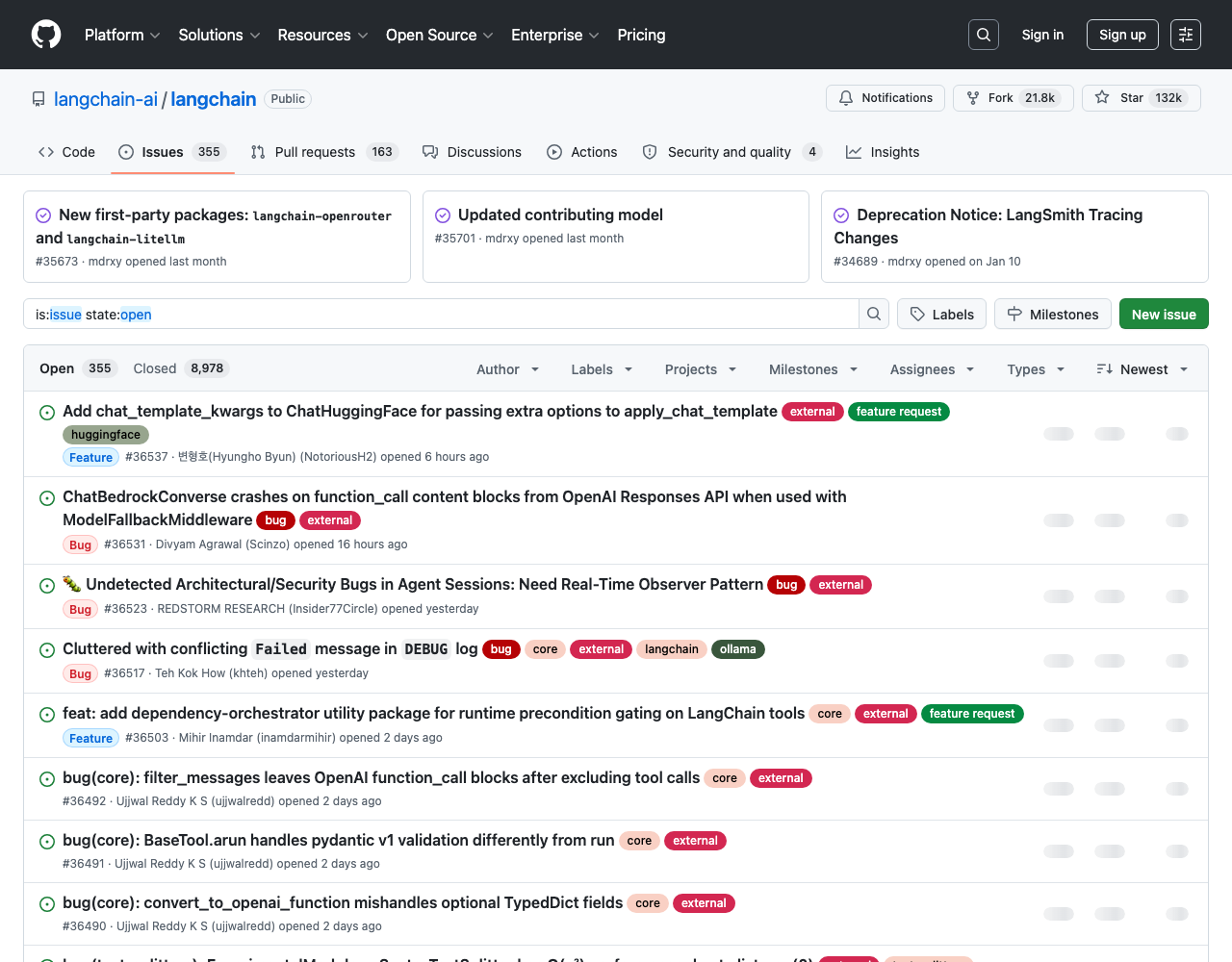
If you measure content by clicks, you will get clickbait. If you want to build a trust-based content moat, you need to measure the actual reduction in friction.
Writers who treat documentation as a sidecar artifact usually end up with a library of stale truths.
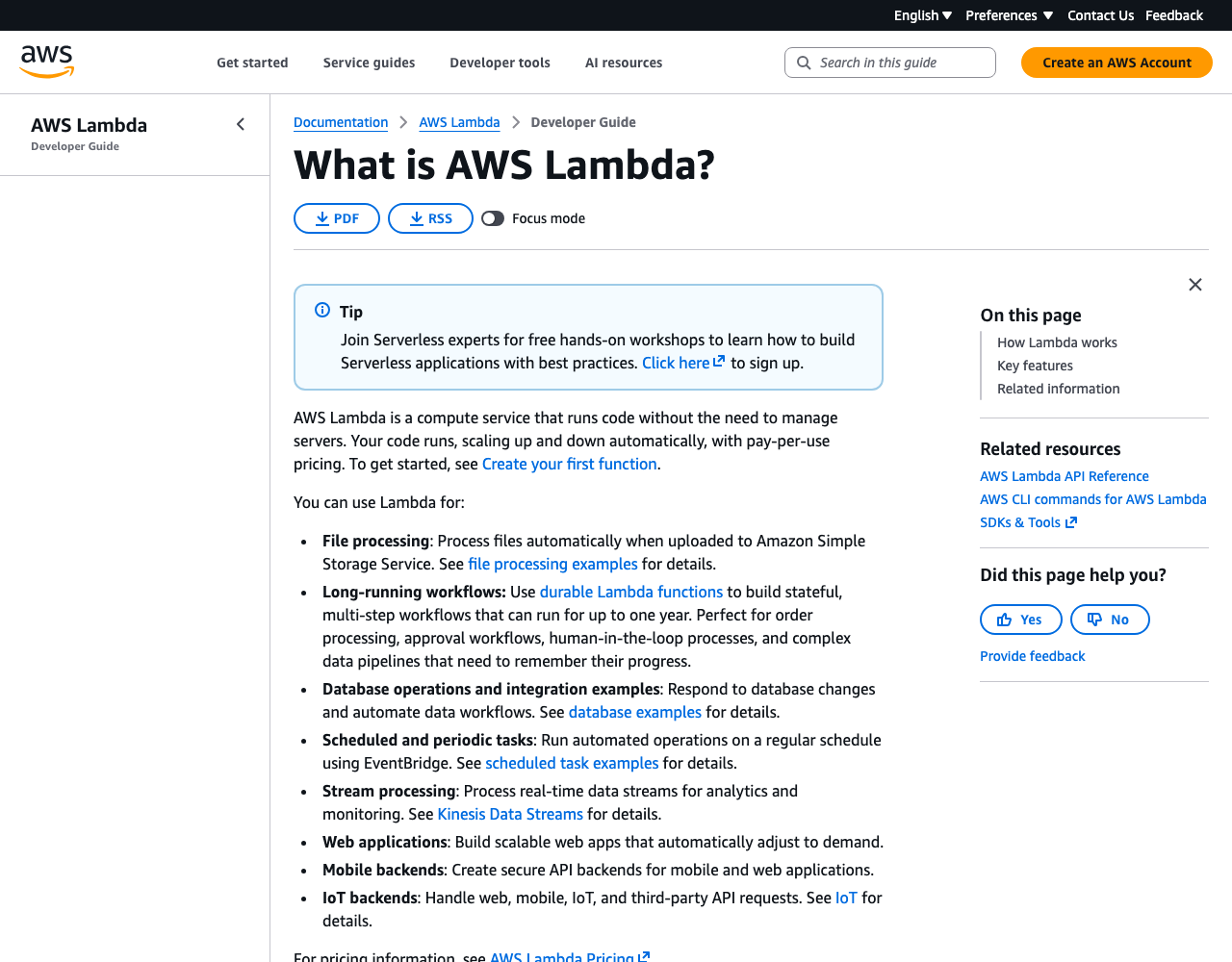
Organizations often fail by providing too much ambient detail. AWS is a common example of Tier 2 density that can overwhelm without Tier 3/4 guidance.
Engineering documentation as infrastructure
Information architecture is the primary competitive moat for developer-first companies in 2026. Technical practitioners reward teams that integrate writing into the product roadmap.
Low implementation friction turns a technical blog into infrastructure. Deep practitioner writing becomes a permanent part of the trusted toolkit. Useful content remains relevant because it provides immediate utility to the reader.
FAQ
Why do engineers distrust marketing content so much? Engineers prioritize "verify-ability" and "intent alignment." Marketing content often prioritizes "promotion," which leads to the omission of trade-offs, edge cases, and failure modes. These omissions trigger a developer's "nonsense detector," signaling that the source is unreliable for making production-level decisions.
Can a non-technical writer ever produce high-trust content? It is extremely difficult. High-trust content (Tier 3 and 4) requires the ability to read source code, test APIs, and understand architectural trade-offs. A non-technical writer can produce Tier 5 content (awareness), but they will struggle to earn the trust of senior technical buyers without deep practitioner-level research and verification.
How do I measure the ROI of "practitioner writing"? Move away from vanity metrics like pageviews. Measure "Developer Success" indicators: reduction in support tickets for specific features, "Time to First Success" for new integrations, and the retention rates of users who consume deep technical content versus those who only see promotional material.
Should I stop doing "brand awareness" marketing entirely? No. Tier 5 content is necessary for top-of-funnel awareness. However, it must be supported by a strong foundation of Tier 1 through Tier 4 assets. Brand awareness gets a developer to your site; Tier 3 practitioner writing and Tier 2 reference docs keep them there and close the deal.
What is the "stolen valor" of technical titles? This refers to the practice of giving non-technical or marketing-focused roles titles like "Developer Advocate" or "Solutions Architect" to gain perceived credibility. Engineers detect this quickly when the technical depth of the content doesn't match the seniority of the title, which often results in a permanent loss of trust for the brand.